
Best Wearable Tech for Menopause: Top Health & Fitness Devices for Women Over 50 (2026 Guide)

Updated: Aug 31
Struggling with sleep, weight gain, fatigue, or heart health during menopause? The best wearable tech for menopause can help you track hormones, improve sleep, manage stress, and stay consistent with fitness after 50. This guide covers the top smartwatches, fitness trackers, and health devices designed to support healthy aging, energy, and long-term wellness.

Table of Contents
Why Wearable Tech Matters During Menopause
Menopause changes your body in ways that can feel frustrating - and sometimes confusing.
You may notice:
Unexplained fatigue
Mood swings or anxiety
Slower recovery from exercise
Changes in heart health
These shifts are largely driven by hormonal changes, especially declining estrogen. And here’s the truth most women aren’t told:
What worked in your 30s and 40s often stops working in midlife.
This is where wearable technology becomes incredibly valuable.
The right wearable device doesn’t just track steps - it helps you understand your body in real time.
It can help you:
Monitor heart rate and cardiovascular health
Improve sleep quality (a major menopause struggle)
Track recovery and energy levels
Manage stress and cortisol
Stay consistent with movement and strength training
Identify patterns linked to hormone fluctuations
Instead of guessing, you start making informed decisions.

Want a simple way to better understand your menopause symptoms? Download my FREE "7-Day Menopause Reset" Menopause Tracker to track your symptoms, sleep, energy, mood, and daily habits—all in one easy place.
What to Look for in Wearable Tech After 50
Not all wearable tech is created equal - especially for menopause.
You don’t need complicated metrics or athlete-level data. You need clarity, simplicity, and meaningful insights.
Here’s what actually matters:
1. Ease of Use
If it’s confusing, you won’t use it. Period.
2. Sleep Tracking Accuracy
Sleep disruption is one of the biggest menopause complaints - this is non-negotiable.
3. Heart Health Monitoring
Look for features like heart rate tracking, ECG, or blood oxygen.
4. Comfort & Wearability
If it’s uncomfortable, it ends up in a drawer.
5. Clear, Actionable Data
You want insights - not overwhelm.
6. Battery Life
Daily charging = friction. Longer battery = consistency.
Best Wearable Tech for Menopause (2026 Picks)
1. Apple Watch Series 9 - Best Overall Smartwatch for Menopause
If you use an iPhone, this is one of the most powerful health tools available.
Why it’s ideal for menopause:
ECG app for heart rhythm monitoring
Irregular heart rate notifications
Fall detection (important for long-term safety)
Blood oxygen tracking
Sleep tracking with trends
Emergency SOS
For women concerned about heart health after menopause, this device offers real peace of mind.

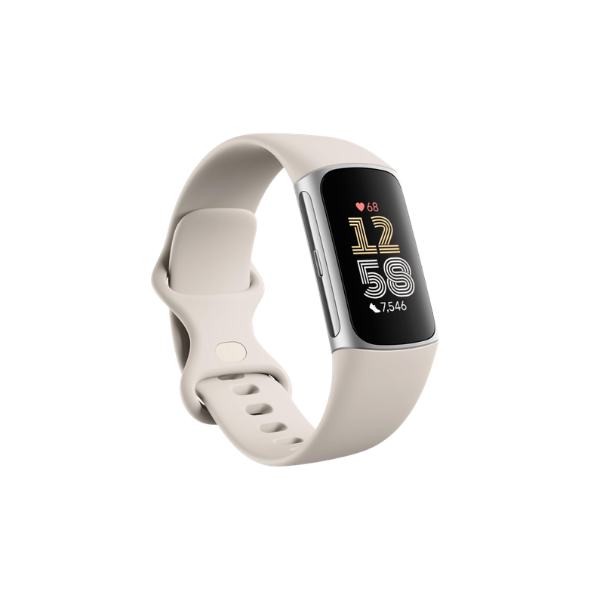
2. Fitbit Charge 6 – Best Simple Fitness Tracker for Women Over 50
Not everyone wants a smartwatch - and that’s a good thing.
If you want something simple, effective, and motivating, Fitbit is a strong choice.
Why it works so well in midlife:
Continuous heart rate monitoring
Daily readiness score (great for recovery awareness)
Excellent sleep tracking
Stress management insights
Lightweight and comfortable
Long battery life
This is perfect if you're restarting fitness after 50 and want structure without overwhelm.
3. Oura Ring Gen 4 – Best for Sleep, Recovery & Hormone Awareness
This is where things get especially interesting for menopause.
The Oura Ring doesn’t just track - it interprets.
Why it stands out:
Advanced sleep tracking (deep, REM, disturbances)
Body temperature trends (helpful for hot flashes insight)
Heart rate variability (stress + recovery marker)
Daily readiness score
Subtle, non-intrusive design
If you’re dealing with:
Insomnia
Night sweats
Unexplained fatigue
This device helps connect the dots.

Oura Ring Gen 4
4. Garmin Venu 3 – Best for Active Women Over 50
If you see yourself as strong, capable, and active - this one is for you.
Garmin is built for performance, but it’s incredibly useful for healthy aging.
Why it’s powerful:
Detailed strength training tracking
GPS for walking, hiking, cycling
Heart rate + stress tracking
Body Battery™ energy monitoring
Longer battery life than most smartwatches
This supports women who want to maintain muscle, independence, and endurance after 50.

5. Smart Blood Pressure Monitor – Essential Heart Health Tool
This isn’t worn all day, but it’s critical.
After menopause, the risk of high blood pressure increases significantly.
Why every woman over 50 should consider one:
Easy at-home monitoring
Syncs with smartphone apps
Tracks trends over time
Encourages proactive health management
This is one of the simplest ways to take control of cardiovascular health after menopause.

How Wearables Help with Menopause Symptoms
Let’s connect this directly to what women actually experience.
Sleep Problems
Wearables identify:
How long you sleep
How often you wake
Sleep quality trends
This helps you adjust habits (and expectations).
Fatigue & Low Energy
Devices like Oura and Garmin track recovery and readiness - so you stop pushing when your body needs rest.
Weight Gain & Metabolism
Tracking movement and activity creates awareness - without extreme dieting.
Stress & Mood Changes
Heart rate variability and stress scores give insight into your nervous system.
Heart Health
This becomes non-negotiable after menopause - and wearables help you stay ahead of issues.
Choosing the Right Device for Your Lifestyle
Don’t overcomplicate this.
Ask yourself:
Do I want simple tracking or deep insights?
Is sleep my biggest issue right now?
Am I focused on fitness, stress, or heart health?
Do I want something discreet or visible?
Will I actually wear this every day?
The best device is the one you’ll use consistently.
Not the most expensive. Not the trendiest.
Are Wearables Worth It After 50?
Short answer: Yes - if used correctly.
But here’s the part most people don’t say:
Wearable tech should support you - not control you.
Used well, it:
Builds consistency
Reinforces healthy habits
Provides reassurance
Helps you understand your body
Used poorly, it:
Creates anxiety
Leads to overtracking
Makes you feel like you're “failing”
You’re not trying to be perfect.
You’re trying to be strong, energized, and healthy long-term.
Final Thoughts: Smart Tech for Strong, Healthy Aging
Wearable tech for menopause isn’t about trends anymore.
It’s about:
Understanding your changing body
Supporting your energy and sleep
Protecting your heart health
Staying consistent with movement
Aging with strength and confidence
You don’t need more guesswork.
You need better insight - and the right tools can give you exactly that.
FAQ: Wearable Tech for Menopause
What is the best wearable for menopause symptoms?
The Oura Ring is excellent for sleep and recovery, while the Apple Watch offers comprehensive health tracking including heart monitoring.
Can wearable tech track menopause or hormones?
Not directly, but devices can track body temperature, sleep, and heart rate variability - all of which reflect hormonal changes.
Is a smartwatch or fitness tracker better after 50?
It depends. Smartwatches offer more features, while fitness trackers are simpler and easier to use.
Do wearables help with weight loss during menopause?
They support awareness and consistency, which are key factors - but they are tools, not solutions on their own.
Are wearable devices accurate for health tracking?
They are not medical-grade (except some features like ECG), but they are highly useful for trends and insights.
About the Author

Sandra is a Certified Menopause Health Coach, Certified Barre® Instructor and Pilates Instructor, who helps women stay strong, active, and healthy through perimenopause and menopause.
Drawing on both professional knowledge and personal experience with menopause, she shares practical strategies for exercise, nutrition, and lifestyle habits to help women improve sleep, preserve muscle, and support mental clarity during hormonal transition.
She writes to provide clear and grounded menopause education rooted in strength - not extremes.

Comments