
Menopause Night Sweats: Causes and Solutions (Why You’re Waking Up Drenched — and How to Finally Sleep Again)

Updated: Aug 31
If you’re waking up in the middle of the night feeling overheated, sweaty, and wide awake - you’re not imagining it, and you’re definitely not alone.
Menopause night sweats are caused by hormonal changes, especially fluctuating estrogen, which affects your body’s ability to regulate temperature. But here’s the part most women aren’t told: things like stress, blood sugar, and even your evening habits can make them much worse.
The good news? There are simple, realistic ways to reduce night sweats and start sleeping better - without turning your life upside down.

Table of Contents
What Night Sweats Really Feel Like
Let’s be honest - this isn’t just “feeling a bit warm.”
It’s:
Falling asleep fine… then waking up suddenly, almost panicked
Throwing off the covers because you feel like you’re overheating
Realizing your pajamas or sheets are damp
Then, just as quickly, feeling cold and uncomfortable
And the hardest part? You’re awake. Fully awake. At 2 or 3 in the morning.
That broken sleep adds up. You wake up tired, a little irritable, maybe foggy - and it starts to affect everything from your mood to your patience.

Want a simple way to better understand your menopause symptoms? Download my FREE "7-Day Menopause Reset" Menopause Tracker to track your symptoms, sleep, energy, mood, and daily habits—all in one easy place.
In My Experience
I started noticing sleep issues in my mid-40s. I would wake up suddenly feeling hot and sweaty, throwing off the covers to cool down - only to feel cold again minutes later. And just like that, I was wide awake, unable to fall back asleep.
At first, it felt random. But as I started looking into it, I realized it was closely connected to menopause.
Instead of ignoring it, I began making small, practical changes. I added magnesium before bed, which helped me relax. I made sure I wasn’t going to sleep hungry - but also not overly full. I kept my bedroom cool and dark and switched to breathable cotton sheets.
It wasn’t an overnight fix, and I still have the occasional rough night. But overall, my sleep has improved significantly - and I feel the difference in my energy, mood, and daily life.

Your body isn’t “failing” you. It’s just adjusting - and sometimes overreacting.
Hormones and Your Internal Thermostat
When estrogen starts fluctuating, your brain (specifically your temperature control center) becomes more sensitive.
So what used to be a tiny, unnoticed change in temperature now triggers a full-blown reaction: “Too hot! Cool down NOW!”
And your body responds with sweating.
Your Nervous System Is More On Edge
If you’ve felt more anxious, restless, or easily overwhelmed lately - this is connected.
During menopause, your nervous system can become more sensitive. That means:
You wake up more easily
Your body reacts more strongly to small changes
It’s harder to settle back into sleep
So a night sweat isn’t just physical - it’s also your body being a little more “on alert” than it used to be.
Blood Sugar Dips in the Middle of the Night
This one surprises a lot of women.
If your blood sugar drops while you’re sleeping, your body releases stress hormones like cortisol and adrenaline to bring it back up.
And guess what those hormones can trigger?
Sweating
A racing heart
Sudden wake-ups
It can feel like anxiety - but it’s often physiological.
The Sneaky Triggers You Might Be Missing
Sometimes it’s not just hormones - it’s what’s happening around them.
A few common culprits:
A glass (or two) of wine in the evening
Chocolate or sugar after dinner
Afternoon coffee that lingers longer than you think
A warm bedroom or heavy bedding
Scrolling your phone right before bed (stimulating your brain more than you realize)
This isn’t about perfection. It’s about noticing patterns.
What Actually Helps (Real-Life Solutions)
Let’s keep this practical. These are the things that tend to make the biggest difference.
Start With Blood Sugar (It’s a Game-Changer)
Instead of going to bed slightly hungry or after a sugary snack, try something small and balanced (light protein snack is perfect):
A handful of nuts
Greek yogurt
Apple slices with nut butter
It gives your body something steady to work with overnight - and can prevent those 3 AM wake-ups.
Magnesium: Small Habit, Big Impact
Magnesium is one of those simple things that can quietly change how your nights feel.
It helps your body:
Relax
Sleep more deeply
Stay calmer overall
Many women notice they don’t wake up as often once they start taking it consistently.
This matters more than people think.
If your room is even slightly too warm, it can trigger night sweats more easily.
Try:
Lowering the temperature a bit more than feels “normal”
Using breathable sheets (cotton or bamboo)
Layering blankets so you can adjust quickly
Think of it as creating a space where your body doesn’t have to fight to cool down.
If your day ends in stress, your night often follows.
You don’t need a complicated routine.
Just something that tells your body: “We’re safe. We can rest now.”
That might look like:
Turning off screens earlier
Reading something light
Gentle stretching
Prayer or quiet reflection
It’s simple - but powerful.
Support Your Body, Not Fight It
Some women also find relief with natural support like:
Flaxseeds
Soy foods
Herbal supplements like black cohosh
Not everything works for everyone - but your body often responds well when you give it steady, supportive input.
When It’s Time to Get Extra Support
If night sweats are happening:
Almost every night
Soaking your sheets
Leaving you completely exhausted
…it’s worth having a conversation with your doctor.
Options like hormone therapy or non-hormonal treatments exist - and for some women, they make a huge difference.
This isn’t about “pushing through.” It’s about getting your quality of life back.
A Simple Night Routine That Works
If you want something realistic to follow, start here:
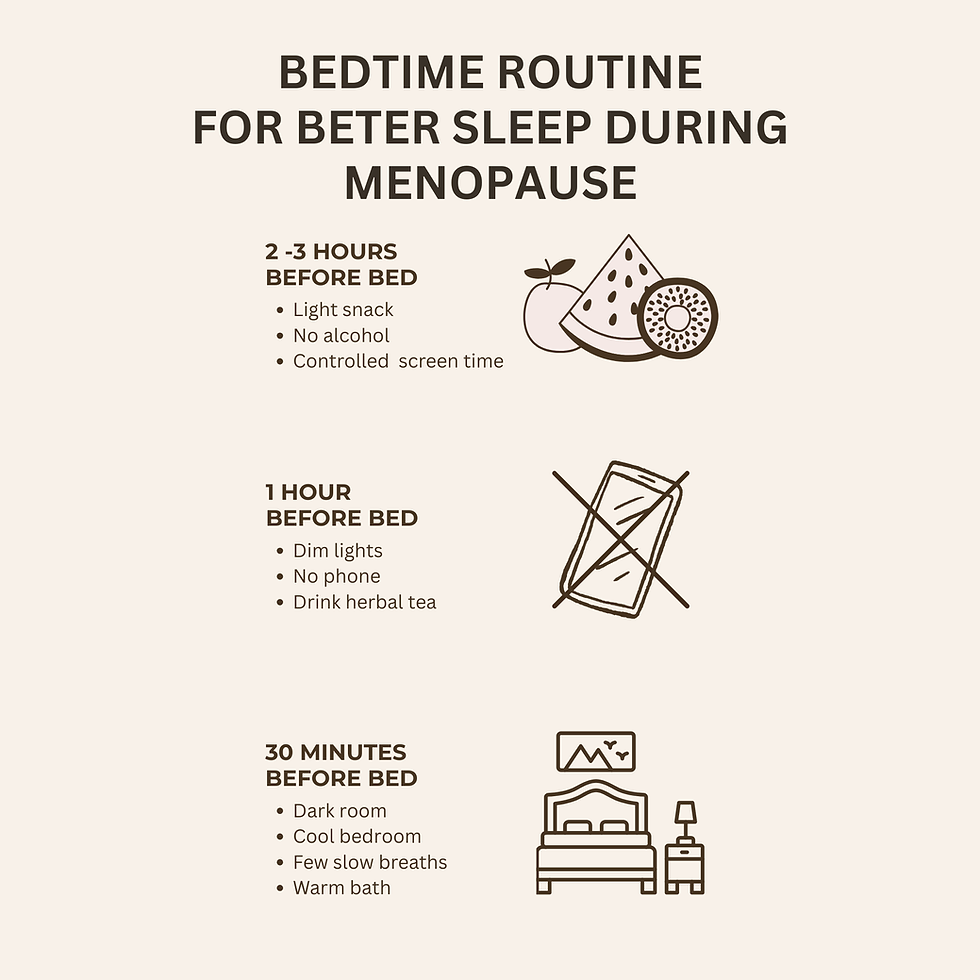
Evening:
Eat a balanced dinner (protein + healthy fats + fiber)
Limit sugar and alcohol
Before bed:
Take magnesium
Dim the lights
Stay off your phone
At bedtime:
Cool, comfortable room
Light sleepwear
A few slow, deep breaths
Nothing extreme. Just consistent.
FAQ
Are night sweats normal during menopause?
Yes - but that doesn’t mean you have to just live with them. There’s a lot you can do to reduce them.
Why do I wake up at 3 AM sweating?
Often it’s a mix of hormones and blood sugar dropping overnight, which triggers stress hormones.
What helps the fastest?
For many women: improving sleep environment + stabilizing blood sugar + magnesium.
Will night sweats go away?
They usually improve over time, especially when you support your body consistently.
Is this perimenopause or menopause?
It can be either. Night sweats often start in perimenopause and continue into menopause.
References
About the Author

Sandra is a Certified Menopause Health Coach, Certified Barre® Instructor and Pilates Instructor, who helps women stay strong, active, and healthy through perimenopause and menopause.
Drawing on both professional knowledge and personal experience with menopause, she shares practical strategies for exercise, nutrition, and lifestyle habits to help women improve sleep, preserve muscle, and support mental clarity during hormonal transition.
She writes to provide clear and grounded menopause education rooted in strength - not extremes.


Comments