
Why Dieting Stops Working After 50 - and What to Do Instead

Updated: Aug 31
If you've hit your 50s and feel like your body suddenly stopped playing by the rules, I promise you - it's not in your head. The eating habits that once kept your weight in check, the workouts you've been doing for years, even the diets that used to work... none of them seem to land the same way anymore. And the more you push, the more frustrated you get.
Here's what I want you to understand before we go any further: this isn't a willpower problem.
Your body has genuinely changed. What worked at 35 or even 45 isn't necessarily what your body needs at 52.
And once you understand why that is, the whole thing starts to make a lot more sense - and feel a lot less personal.
Let's get into it.

Table of Contents
Why Weight Loss Feels Different After 50
You know that thing where you look at an old photo and think: I used to lose five pounds just by cutting out dessert for two weeks? Now you can eat salads every day, pass on the wine, walk 45 minutes each morning, and the scale barely twitches.
I hear some version of this constantly from women over 50: "I'm doing everything
I used to do - and nothing works anymore."
And they're right. Something has changed. Menopause doesn't just affect your periods - it affects nearly every system in your body that's involved in weight regulation.
After menopause, you're dealing with lower estrogen(1), gradual muscle loss, shifting fat distribution, changes in insulin sensitivity, reduced daily calorie needs, and a slower recovery from stress. That's a lot happening at once.
None of this makes weight loss impossible. But it does mean that the old approach - eat less, move more, white-knuckle your way through it - tends to backfire more than it helps.
Your body needs a different strategy now. Not a stricter one. A smarter one.

Want a simple way to better understand your menopause symptoms? Download my FREE "7-Day Menopause Reset" Menopause Tracker to track your symptoms, sleep, energy, mood, and daily habits—all in one easy place.
Hormones Change the Rules
Estrogen gets a lot of credit for being a "reproductive hormone," but honestly, it does so much more than that. It influences your appetite, your insulin sensitivity, the way your body distributes fat, how well you maintain muscle, and your energy levels day to day.
So when estrogen starts declining during perimenopause and drops significantly through menopause, you feel it everywhere.
One of the most noticeable shifts?
Your body starts storing more fat around your waist. Not because you're eating more. Not because you've gotten lazier. It's partly just your hormones redirecting where fat gets stored.
This is why so many women notice their clothes fitting differently even when nothing else has changed - the waistbands getting snugger, the belly feeling softer, weight creeping up despite similar eating habits.
It's hormonal fat redistribution, and it's incredibly common. It's also one of the main reasons traditional calorie-cutting approaches become less effective during this stage of life.
You can create a calorie deficit and still not see the results you're expecting, because the hormonal environment your body is working in has shifted.
Here's a fact that changes the whole conversation: starting around age 30, we naturally begin losing muscle mass with each passing decade.
After menopause, that process speeds up.
And muscle - unlike fat - is metabolically active tissue, meaning it burns calories even while you're resting. Less muscle means a slower resting metabolism. It also means less strength, less stability, and everyday activities that just feel harder.
The twist that trips a lot of women up? Many of the most popular diet approaches actively make this problem worse.
When you eat too little - especially without enough protein - your body doesn't just burn fat. It burns muscle too. So you lose weight, but you also lose metabolic capacity. Then you regain the weight (because that's what bodies do after restriction), but you're now working with less muscle than before. Your metabolism is slower. And the next diet has to work even harder for less result.
This cycle is so common, and so discouraging, and it has nothing to do with failing. It's just biology.
Years of Dieting Can Work Against You
If you've spent the last few decades cycling through various diets - low fat, low carb, cleanses, meal replacements, extreme calorie restriction - your body has been keeping score.
Repeated cycles of restriction and regain can make long-term weight management genuinely harder over time. Your body gets increasingly good at defending its energy stores. It learns to hold on.
The pattern usually goes: lose weight → regain it → diet harder → lose some muscle → regain even more. Repeat.
After enough rounds of this, another crash diet doesn't just feel futile - it often is futile. And it tends to leave you exhausted, hungry, craving everything, and completely depleted of motivation.
That's not weakness. That's a body doing exactly what evolution designed it to do: protect itself from what it perceives as famine. Knowing that doesn't make it less frustrating, but it does change the question you should be asking - from "what am I doing wrong?" to "what does my body actually need right now?"
Sleep and Stress Matter More Than Ever
One of the things that surprises women most about menopause weight management is how much sleep has to do with it.
We tend to think of sleep as something separate from diet and exercise, but they're deeply connected.
Poor sleep raises hunger hormones and suppresses the hormones that signal fullness and satisfaction.
After a few nights of bad sleep, cravings intensify, motivation to exercise drops, snacking goes up, and emotional eating becomes a lot harder to resist.
Stress compounds this significantly.
When you're chronically stressed, cortisol levels stay elevated longer than they should - and sustained high cortisol can increase appetite, drive comfort eating, disrupt sleep, and encourage fat storage around the abdomen.
All of which creates a feedback loop that no amount of salad-eating will fully override.
Sometimes the most effective thing you can do for your body composition isn't cutting another 300 calories.
It's getting seven hours of sleep and finding a way to decompress in the evening.
I know that's not what the diet industry wants to sell you - but it's what the research actually supports.
What to Do Instead of Dieting
The shift I want to invite you into is this: instead of asking how can I eat less?, start asking how can I support my body better?
It sounds subtle, but it changes everything about your approach.
1. Prioritize Protein
Protein is probably the single most important nutritional lever you have right now. It helps preserve muscle while you're in a calorie deficit, keeps you genuinely satisfied after meals (not just momentarily full), and supports your metabolism in ways that low-calorie dieting alone can't.
Aim to include a meaningful source of protein at every meal - not just dinner.
Some solid options across the day:
Greek yogurt or cottage cheese at breakfast
Eggs, any way you like them
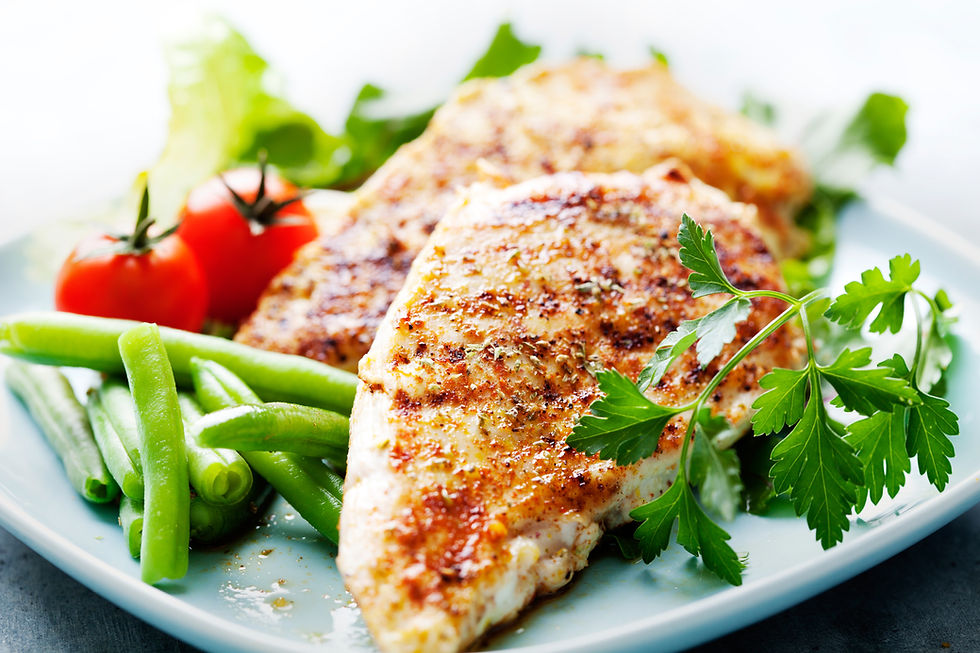
Chicken, fish, or turkey at lunch and dinner
Tofu or tempeh if you're plant-based
Lentils and beans as sides or in soups
A well-built protein smoothie when you're short on time
A lot of women realize, once they actually track it for a few days, that they've been significantly under-eating protein for years. That's such a common and easy thing to fix.
2. Lift Something Heavy
You don't have to turn into a gym person or work with heavy barbells if that's not your thing.
Resistance bands, dumbbells, Pilates mat or reformer work, Barre, bodyweight exercises - all of it counts.
The goal is to challenge your muscles regularly so your body has a reason to maintain and build them.
Even two to three sessions a week makes a meaningful difference over time. Not just for metabolism, but for bone density, balance, functional strength, and how you feel in your body day to day.
3. Eat Enough
I know this one goes against everything diet culture has ever told you, but please hear me out: chronically eating too little is working against you.
When your body isn't getting enough fuel, it doesn't cheerfully burn fat. It gets fatigued, ramps up hunger signals, breaks down muscle for energy, and becomes increasingly efficient at storing whatever you do eat. The goal isn't to find the lowest calorie number you can survive on.
The goal is to nourish your body well enough that it feels safe - and functions optimally.
Quality matters just as much as quantity here. A 1,400-calorie day built around protein, fiber, and whole foods feels and functions completely differently than one built around restriction and deprivation.
4. Choose Whole Foods Most of the Time
No food needs a permanent ban - that kind of rigidity tends to backfire.
But building most of your meals around vegetables, fruit, lean protein, healthy fats, and high-fiber carbohydrates gives your body the nutrients it actually needs to function well and feel good. It also naturally crowds out a lot of the ultra-processed, low-nutrient food that spikes blood sugar and drives cravings.
Most of the time is the operative phrase. This isn't about perfection. It's about a sustainable baseline you can actually live with.
5. Walk Daily
Walking is genuinely one of the most underrated things you can do for your health after 50, and I will defend that position all day.
It improves insulin sensitivity, supports cardiovascular health, helps regulate cortisol, burns calories without stressing your system, and is genuinely good for your mood and mental health.
You don't need to hit some enormous step goal to see benefits. Consistency matters far more than intensity here.
A 25-minute walk most days of the week will do more for you long-term than occasional intense workouts you dread and avoid.
6. Protect Your Sleep
Sleep is part of your health strategy - not separate from it. If you're not prioritizing it, everything else becomes harder.
A few things that help:
A consistent bedtime, even on weekends
A cooler bedroom (your body needs to drop in temperature to sleep well)
Screens off at least 30 - 60 minutes before bed
Cutting off caffeine after lunchtime
A wind-down routine that actually signals to your nervous system that the day is over
Better sleep tends to improve food choices, energy, mood, and motivation almost automatically. It's foundational.
7. Stop Chasing Quick Fixes
Weight loss after 50 is slower. That's just true. But slower doesn't mean it's not working - it usually means you're doing it in a way that's actually sustainable.
A slower pace tends to preserve more muscle, build better habits, and produce results that actually stick.
The goal isn't just a lower number on the scale. It's a stronger, healthier body you can live in comfortably for the next few decades.
That's worth so much more than whatever the scale says after a two-week crash diet.
My Perspective
When I entered menopause, I quickly realized my body wasn't playing by the same rules anymore. The habits that had always worked for me suddenly felt completely ineffective - and for a while, I genuinely wondered if I just needed more discipline.
Eventually I figured out that discipline wasn't the missing ingredient.
A different approach was.
I shifted my focus toward strength training through Pilates and barre, made a real effort to get enough protein, cut back on added sugar, started actually protecting my sleep, and stopped trying to follow restrictive diets.
Nothing changed overnight. But over time I felt genuinely stronger, my energy stabilized, and my body responded in ways it never had during years of on-and-off dieting.
That experience completely reframed how I think about health - not as something you achieve through deprivation, but something you build through consistent, sustainable care.
Final Thoughts
If dieting has stopped working for you after 50, you haven't failed. Your body is asking for something different - and honestly, something better.
Instead of fighting it with stricter rules, try meeting it with:
Enough protein to support and preserve muscle
Regular strength training that builds real functional strength
Quality sleep that lets your body recover and regulate
Whole foods that actually nourish rather than just restrict
Consistent daily movement that feels good and sustainable
These habits aren't going to promise you results in seven days. But they can help you build a body that's genuinely stronger, more energized, and more resilient - one that supports you for decades to come.
And that is a far better goal than the next crash diet.
FAQ: Why Dieting Stops Working After 50
Why is it so hard to lose weight after menopause?
A combination of declining estrogen, gradual muscle loss, a slower resting metabolism, disrupted sleep, increased stress response, and often years of repeated dieting all work together to make weight management more complex than it was in earlier decades. It's not one thing - it's the whole package shifting at once.
Should women over 50 eat fewer calories?
Not automatically, and often not. Eating too little can accelerate muscle loss and further slow an already slower metabolism. The more useful focus is on eating enough of the right things - particularly protein and fiber-rich whole foods - rather than just chasing a lower calorie number.
Is strength training better than cardio after 50?
Both matter, and you don't have to choose. But strength training earns a special priority after 50 because it directly addresses muscle loss, supports bone density, boosts resting metabolism, and improves functional strength. Cardio is wonderful for heart health, mood, and stress - but if you had to pick one to be more intentional about, strength training is it.
Can menopause cause belly fat?
Yes, and it's incredibly common. As estrogen declines, fat distribution shifts - the body stores more fat centrally, around the abdomen. This happens even without changes in diet or exercise. It's hormonal, not a personal failing.
What's the biggest mistake women make trying to lose weight after 50? Continuing to use the same restrictive approaches that may have worked in their 30s - cutting calories dramatically, doing lots of cardio, avoiding strength training - without adapting to what their body actually needs now: more protein, resistance training, better sleep, and sustainable habits over quick fixes.
People Also Ask
Why am I gaining weight even though I eat the same?
Because your body's calorie needs have shifted. Muscle loss and hormonal changes mean your resting metabolism is lower than it used to be - so the same eating habits that once maintained your weight now create a small surplus. It's not about eating more; it's about your body requiring less and burning differently.
How much protein do women over 50 need?
Most research points to around 1.2 - 1.6 grams of protein per kilogram of body weight per day for active older adults - which is quite a bit higher than what most women are actually eating. Individual needs vary, but it's worth checking in with where you actually are, because the gap is often surprising.
Can walking help menopause weight loss?
Absolutely - and it's probably the most sustainable exercise habit you can build. Walking supports insulin sensitivity, cardiovascular health, cortisol regulation, and mood, all of which play a role in body composition. It also complements strength training without adding stress to your system.
What is the best diet after menopause?
One you can actually maintain. That means plenty of vegetables, lean protein, healthy fats, whole grains, and fiber - not a rigid set of rules that leaves you hungry and miserable. The most effective eating pattern for most women after menopause is one that feels like nourishment rather than punishment.
It's a contributing factor, especially around the belly. Chronic stress keeps cortisol elevated longer than it should be, which can drive increased appetite, comfort eating, poor sleep, and abdominal fat storage - all things that are already harder to manage during menopause. Stress management isn't a soft add-on to your health plan; it's a real part of it.
References
About the Author

Sandra is a Certified Menopause Health Coach, Certified Barre® and Pilates Instructor, and has been navigating menopause since her mid-40s.
That lived experience - combined with research-informed training - is the foundation of everything she shares at The Refined Fit.
This space is for women over 50 who want clear, grounded guidance for this stage of life. Strength, metabolism, sleep, mental clarity - without the extremes.
Menopause doesn't require more force. It requires a better strategy.
All content is educational and not a substitute for medical care.


Comments